
The Ghosts in the Desert
- Rob Joyce

- Jun 18
- 3 min read
One of the more creative lyricists of rock, Jim Morrison had an artistic vision shaped by a deep interest in mysticism, mythology, and altered states of consciousness. He frequently spoke about transcending ordinary reality and was influenced by writers and philosophers who explored spiritual awakening and visionary experiences. Like many others in the sixties, Morrison believed psychedelic drugs could serve as a gateway to the music of The Doors.
Morrison often deflected questions about the dark, poetic origins of his lyrics. While his cryptic answers only fueled the mystery, a haunting childhood memory--a tragic highway accident in the 1940s-- is widely regarded as the dark, formative catalyst that shaped the lead singer's imagination.
The Desert Highway

When Morrison was just a young boy, his family was driving through the deserts of New Mexico. Along the roadside, they came upon the aftermath of a terrible accident involving a rolled truck full of Native Americans. Accounts differ on exactly what happened, but Morrison later described seeing bloodied and dying people scattered across the highway. The scene left a deep impression on him-- one that would follow him the rest of his life.
Years later, Morrison often spoke about that moment in interviews and poetry. He believed that the spirits of the people who died in the accident somehow entered him. Whether he meant this literally, symbolically, or as a part of his artistic mythology is impossible to know. What is certain is that the event became one of the central stories he told about himself.
Morrison referenced the experience in the song "Peace Frog," singing, "Indians scattered on dawn's highway bleeding." The lyric is one of the most direct glimpses into a memory that never left him. For Morrison, the desert was more than a landscape-- it became a spiritual place where life, death, mystery, and transformation collied.
Morrison's Lyrics & The Doors

This fascination with mortality and altered consciousness would become a defining feature of The Door's music. Songs such as "The End," "When the Music's Over," and "Riders On the Storm" explored themes that many rock artists avoided. Morrison wasn't interested in simple love songs. He wanted to explore the darker corners of the human experience, asking questions about life, death, fear, and what might exist beyond them.
Bandmates often remarked that Morrison possessed an unusual interest in poetry, mythology, and Native American culture. The New Mexico incident may not explain everything about his artistic vision, but it helps us understand why he was drawn to subjects that felt mysterious and otherworldly. The accident became part of the mythology Morrison created around himself-- a mythology that blurred the line between reality and legend--theatrics and the real world.
His Legacy
More than fifty years after his death, Morrison remains one of rock music's most enigmatic figures. While many musicians are remembered for their songs, Morrison is remembered for something more elusive: his ability to transform personal experiences into powerful artistic symbols. A tragic scene witnessed on a lonely desert highway became the seed of a creative vision that would help define one of rock's most influential bands.
For Jim Morrison, the ghosts of that New Mexico highway never truly disappeared. Instead, they found their way into his poetry, his performances, and ultimately into the music of The Doors.
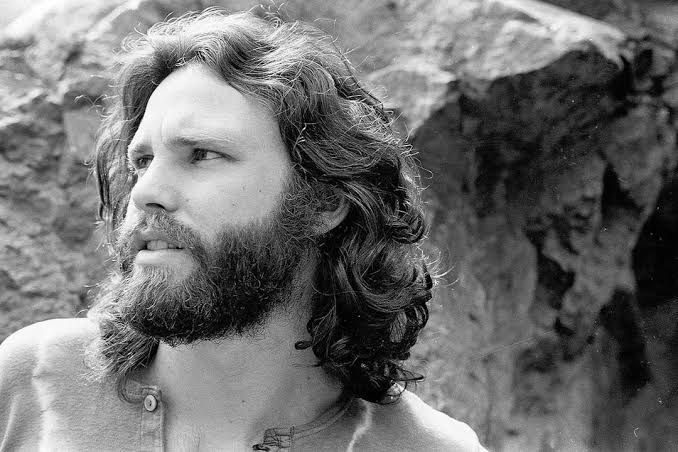
Historians still debate aspects of Morrison's story and believe he may have exaggerated or reshaped the memory over time. Yet whether every detail happened exactly as he described it is almost beside the point-- it was his truth and inspiration.
What do you think? Leave me a note in the comments with your thoughts.
Interested in more about Jim and The Doors? Join me on June 22 for the presentation Break On Through: The Story of The Doors and Jim Morrison.
Click here for details.
Have a great week! Rob
Click here to learn more about this presentation.


Comments